The Psychology of Near-Miss: Why ‘Almost Winning’ Makes Redemption Machines Addictive
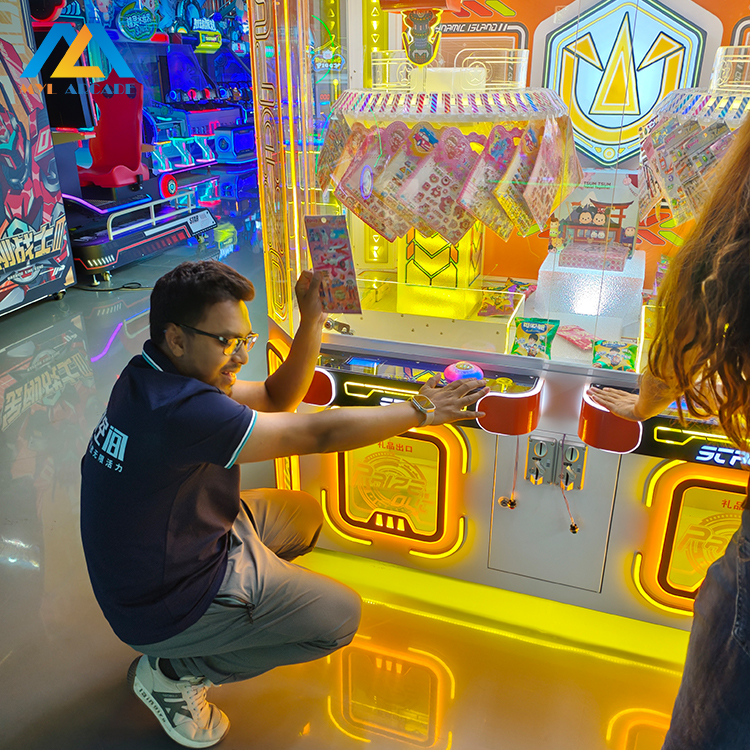
Many players are drawn to arcade redemption machines by the thrill of almost grabbing a prize. The 'near-miss' effect is a well-studied psychological trigger that keeps people coming back for more attempts, believing success is just within reach.
For operators, configuring machines as adjustable‑difficulty arcade redemption machine with clipper mechanism and pointer based skill game machine can subtly influence the frequency and intensity of near-miss moments, heightening engagement without crossing ethical boundaries.
Game designers can also create a sense of accomplishment by using flexible‑settings arcade redemption machine with clipper mechanism and pointer based skill game machine that allow for real-time adjustment of gameplay parameters. This maintains novelty while maximizing player retention.
Additionally, data shows that configurable‑prize arcade redemption machine with clipper mechanism and pointer based skill game machine encourage players to try repeatedly, as visible prizes and changing odds reinforce the hope of eventually winning.
Operators who understand these behavioral principles can use them to improve satisfaction while building a loyal customer base.
Keywords :near-miss effect, arcade redemption machine, player psychology, adjustable-difficulty game, flexible settings, prize visibility, addictive gameplay, customer retention, behavioral trigger, win probability, skill-game settings, redemption game design, operator tools, retention strategy, player satisfaction, game customization, loyalty booster, entertainment psychology, engagement driver, arcade reward system
READ MORE: